





















Italy's economy and largest industries
Italy has a developed economy with several important industries contributing to its GDP. The Italian economy is diverse, with strengths in manufacturing, services, and tourism. Some of the largest industries in Italy include:
Manufacturing
Tourism
Fashion and Design
Food and Drinks
Finance and Banking
Automotive Industry
Chemical and Pharmaceutical
Renewable Energy
Renting housing in Italy
- Apartments (Appartamenti): Common in urban areas, apartments vary in size and amenities.
- Houses (Case): You may find detached houses in suburban or rural areas.
- Rooms (Camere): Renting a room in a shared apartment is an affordable option.
- Short-term Rentals: Rentals suitable for holidays in popular tourist destinations.
- Rent: Prices vary significantly depending on location, size, and amenities.
- Utilities: Some rental contracts may include utilities in the rent, while others require separate payment.
- Building Charges (Spese Condominiali): Or what Italians call condominium fees, these include shared expenses in apartment buildings, such as costs for a caretaker, electricity and cleaning of hallways, and the elevator.
- Contract Types: There are different types of rental contracts, such as the “Contratto a Canone Concordato” (Agreed Rent Contract), where the rent ceiling is set and regulated by the government, and the “Contratto a Libero Mercato” (Free Market Rent Contract).
- Lease Duration: Rental contracts typically last for four years and are renewable for another four years. Shorter-term contracts may be available for temporary stays.
- Deposit (Caparra): Paying a deposit is common, usually equivalent to 3 to 6 months’ rent.
- Real Estate Agencies: Many rentals are listed through real estate agencies. They can assist you in the house search and with paperwork. The agency commission for renting a property is equivalent to 15% of the total annual rent.
- Online Platforms: Websites like Immobiliare.it, Idealista.it, and Airbnb are commonly used for property searches.
- Local Newspapers: Some property listings may be found in local newspapers.
- Codice Fiscale: This is the Italian national card/tax code. Every person has an Italian tax code, and it is mandatory for all contracts and any administrative task.
- Proof of Income: Landlords may request proof of a stable income.
- References: Some landlords may ask for references from previous landlords or employers.
- Identification Documents: Passport, residence permit, and Italian “Residenza” certificate are important for the contract.
- Rental Contracts: It is essential to have a written rental contract outlining the terms and responsibilities of both parties.
- Registration: The lease must be registered with the local tax office.
- Tenant Rights: Tenants in Italy have specific rights.
- Negotiation: The rental price may be negotiable, especially for longer-term leases.
- Property Viewing: Always visit the property before committing to a rental.
- Language: While many people in urban areas can speak English, knowing Italian can be helpful, especially when dealing with local landlords or agencies.
- Legal Advice: If you are unfamiliar with Italian tenancy laws, consider seeking legal advice before signing any contract.
The cost of living in Italy can vary greatly depending on the region, lifestyle, and personal choices. In general, larger cities and tourist destinations have a higher cost of living. Here are some of the common costs in Italy:
Cost of living in Italy
- Rent: In large cities (1-bedroom apartment) it is 800 to 1500 euros per month, and in smaller cities or rural areas it is 400 to 1000 euros per month.
- Utility Costs: Essential utilities for a standard apartment such as electricity, gas are 100 to 200 euros per month.
- Monthly grocery cost for one person: 200 to 300 euros.
- Meal at an inexpensive restaurant: 10 to 20 euros.
- Three-course meal for two at a mid-range restaurant: 50 to 80 euros.
- Monthly public transport pass: 30 – 70 euros (varies by city)
- 1 liter of gasoline: 1.60 – 1.90 euros (often changes)
- Private health insurance for one person: 50 to 100 euros per month.
- Public health insurance for students: 750 euros for one year.
- Unlimited internet: 25 to 40 euros per month.
- Mobile phone plan: 10 to 20 euros per month.
- Clothing and personal items: Varies based on personal choices.
- Museum entrance fee: 8 to 15 euros
- Theater ticket: 20 – 50 euros
- Gym membership: 30 to 120 euros per month
- Local vs. Tourist Areas: Prices are higher in tourist areas.
- Cooking at Home: Cooking at home using local ingredients can save money.
- Public Transportation: Opt for public transportation to eliminate parking costs.
- Explore Local Markets: Local markets offer fresher and more affordable produce.
- Budgeting: Creating a budget based on personal circumstances is very important.
Salaries in Italy
Salaries and wages in Italy can vary depending on factors such as industry, job role, level of experience, and location. Average salary by industry (euros per year):
IT
- Entry-level IT Professional: 25,000 to 40,000
- Senior Specialist: 40,000 to 70,000
Assets, finance, investment
- Entry-level Finance Employee: 30,000 to 45,000
- Senior Finance Position: 50,000 – 100,000
Engineering
- Entry-level Engineer: 28,000 to 40,000
- Experienced Engineer: 40,000 – 70,000
Healthcare
- Nurse: 25,000 to 40,000
- Doctor: 50,000 to 100,000
Education
- Teacher (Primary or Secondary Education): 25,000 to 40,000
Sales and marketing manager
- Junior Marketing/Sales: 25,000 to 40,000
- Senior Marketing/Sales Manager: 40,000 to 80,000
Location-Based Variations:
Wages vary significantly between regions, with cities like Milan and Rome typically offering higher salaries than smaller towns or rural areas.
Related Explanations:
- Benefits: Benefits such as healthcare, pension contributions, and bonuses.
- Contract Type: Permanent contracts typically come with more benefits, while temporary or freelance positions may offer higher hourly rates but fewer benefits.
- Experience and Education: Higher education and years of experience lead to higher salaries.
- Negotiation: Salary negotiations are common in Italy.
- Cost of Living: When evaluating salary offers, consider the cost of living in the specific region.
Transportation in Italy
- Trains: Italy has an extensive and efficient railway network connecting major and minor cities. High-speed trains like Frecciarossa, Frecciargento, and Frecciabianca offer fast connections between cities. Regional trains serve smaller towns and rural areas.
- Buses: Buses complement the train network, providing transport to areas not covered by rail. Local buses operate within cities and towns.
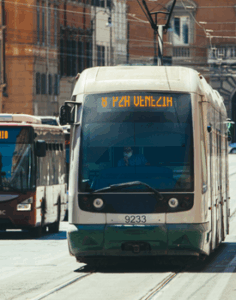
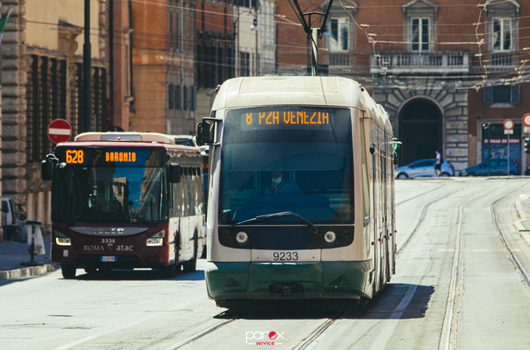
- Metro and Trams: Large cities like Rome, Milan, and Naples have metro systems, convenient for navigating urban areas. Trams are also available in some cities.
- Ferries: Ferry services connect coastal areas and islands.
- Cars and Motorcycles: Italy has a well-developed road network, and renting a car is a popular option for exploring the countryside. Cities have good road systems, but traffic congestion can be a significant issue, especially in larger urban centers. Motorcycles and scooters are common in cities and are often used for commuting.
- Highways: Italy has a network of toll highways (Autostrada) connecting major cities.
- Integrated Ticketing: Some cities offer integrated ticketing systems, allowing travelers to use multiple types of public transport with a single ticket.
- Taxis and Ride-sharing: Taxis are widely available in urban areas, and ride-sharing services like Uber operate in some cities.
- Driving in Italy: If you plan to drive, be aware of traffic rules, ZTL (Limited Traffic Zones) in certain city centers, and parking regulations.
- Regional Differences: Transportation options and efficiency can vary depending on the region, with larger cities having more comprehensive services.
- Rail Passes: For tourists, rail passes can offer cost-effective and flexible travel options.