





















Italy, with one of the most advanced and organized healthcare systems in Europe, has become a popular destination in recent years for specialist doctors from non-European countries. This country, facing a shortage of specialized human resources in various healthcare sectors, especially in its central and southern regions, has created golden opportunities for foreign doctors.
For Extra UE doctors, immigrating to Italy means not just employment in a new country; it is also a professional experience within a legal framework, with high professional respect, international standards, and a modern scientific and clinical environment.
The process of medical immigration to Italy is based on specific steps such as the evaluation and recognition of medical degrees (Riconoscimento dei titoli), proficiency in the Italian language at a minimum level of B2, and in some cases, participation in supplementary courses or clinical skills assessment tests. Without receiving official approval from the Italian Ministry of Health, entry into the medical job market is not possible.
Advantages of doctor immigration to Italy
Immigrating to Italy as a doctor is not only a gateway to the European Union job market but also a platform for professional growth, job security, and an improved standard of living. Below, we review the most important advantages of this path:
- Employment in a reputable and advanced healthcare system: The Italian National Health Service (SSN) is among the best in the European Union in terms of structure, service quality, and insurance coverage. Doctors in this system work with high standards, the latest technologies, and evidence-based medical protocols (EBM).
- Adequate income and high job security: Doctors in Italy enjoy a satisfactory income level, especially in reputable public or private centers. Furthermore, the shortage of personnel in fields such as family medicine, internal medicine, emergency medicine, and general surgery has created stable job opportunities.
- Possibility of obtaining legal residence and a clear immigration future: By working officially in the healthcare system, doctors can obtain Italian work residence and, after several years, become eligible for permanent residence and even citizenship of this country. This path provides stable conditions for family life in Europe.
- High social respect and professional standing: In the social culture of Italy, the medical profession holds a very high status. Doctors, especially dedicated specialists with scientific competence, are respected by society and colleagues.
- Access to scientific and educational opportunities: Italy hosts reputable universities, university hospitals, and research centers. By having their qualifications recognized, foreign doctors can participate in specialization courses, fellowships, or research projects and continue their academic path.
- High quality of life alongside family opportunities: Living in Italy, with its temperate climate, rich culture, free education for children, public health services, and a balanced European lifestyle, can also be a satisfying experience for the families of immigrant doctors.
- Equal access for all: In the Italian public health system, all individuals (including legal immigrants) have access to quality healthcare services. This means you will be working in a humane and fair system.
- Living in a beautiful and cultural country: In addition to professional advantages, living in Italy means enjoying nature, history, art, food, and a European lifestyle alongside social security.

What are the medical specializations needed in Italy?
Italy, due to the increasing average age of its population, a shortage of specialized personnel, and widespread retirements in the healthcare sector, has strongly turned to attracting medical staff from abroad in recent years. Consequently, a significant opportunity exists for hiring Extra UE medical personnel. According to reports, the country is currently facing a shortage of approximately 30,000 doctors across its healthcare system.
Below, we introduce the most in-demand medical specialties in Italy, including general practitioners and specialists:
- General Practitioners (Medico di Base).
- Internists, cardiologists, pediatricians, gynecologists, orthopedists, neurologists, emergency physicians, anesthesiologists, radiologists, intensive care specialists, general and specialized surgeons, urologists, pathologists, otolaryngologists (ENT).
- Geriatricians (Geriatria) – highly in demand due to the elderly population.
Many rural or less populated areas of Italy even offer special financial or residency benefits to attract general practitioners and family doctors.
Conditions for work immigration of general practitioners and specialists to Italy
If you are a doctor or specialist intending to immigrate to Italy, you must first be aware of the immigration conditions and requirements. Familiarity with these conditions helps you make more precise decisions and enter the practical stages with full preparation. Below, we examine the conditions for work immigration for Extra UE medical staff to Italy:
Work immigration conditions for Iranian medical staff
- Valid and Recognizable Educational Degree: Having an official university degree (general medicine degree or specialization) from a reputable Extra UE university is the main prerequisite. These documents must be officially translatable in your country and recognized by the Italian Ministry of Health in Italy.
- Work Experience (preferably at least 3 years): Although work experience is not mandatory, having work experience in hospitals or reputable medical centers significantly increases the chance of receiving a job offer and obtaining work authorization.
- Proficiency in Italian: To work in the Italian healthcare system, proficiency in Italian is essential. This requirement is especially mandatory for nurses and doctors, with a level of B2 to C1 requested, as they are in direct contact with patients. In some cases, a language test is administered, or an official language certificate is required.
- No Criminal Record: Providing a certificate of no criminal record is mandatory to obtain a work visa and residence permit.
- Good Physical and Mental Health: Being in full health to perform the medical job (confirmed by a medical certificate) is another requirement for work immigration.
- Readiness for Qualification Recognition by the Italian Ministry of Health and undergoing a professional evaluation process
- Registration with the Italian Order of Doctors (Ordine dei Medici)
- Having a Formal Job Offer from an Italian Hospital or Medical Center
There is no specific age limit for work immigration, but generally, priority is given to individuals under 45 years old. Experienced doctors up to 55 years old also have a good chance of acceptance.
- After obtaining a work visa and entering Italy, you must apply for a work residence permit (Permesso di soggiorno) within a maximum of 8 days.
- It is possible to apply for accompanying residence for your spouse and children.
- After 5 years of legal residence and paying taxes, it is possible to convert the temporary residence permit to a permanent one.
Although work immigration to Italy requires going through specific administrative and language steps, it is considered a very valuable and accessible opportunity for Extra UE medical staff. Having valid credentials, appropriate language skills, and a job offer are the three golden keys to entering the Italian healthcare job market.
If you need an assessment of your situation or personal consultation, our experts at PAREX will accompany you from the first stages to final employment.
Methods of collaboration and employment for doctors in Italy
(For immigrant doctors, especially Iranians)
In Italy, doctors can collaborate with medical centers in several different ways. Among these methods, there are two more common and practical models that have a particularly important impact on your income, responsibilities, taxes, insurance, and professional standing:
- Formal Employment (Contratto di lavoro subordinato)
- Independent Collaboration with Partita IVA (Partita IVA)
In the following, we will examine these two models in detail and clearly, with legal and financial details, advantages, and disadvantages, especially from the perspective of foreign doctors intending to enter this market, including Iranian doctors.
Formal Employment | Employee of public or private medical centers
Characteristics and advantages:
- Formal Employment: The doctor works as official staff in a public hospital or medical center under an employment contract (as an employee).
- Social Benefits: Fixed salary, health insurance, accident insurance, pension insurance, leave, sick leave, holidays, child allowance, etc. are all paid by the employer.
- Legal and Administrative Matters: Tax and insurance payments are handled by the employer, and the doctor does not need to manage these matters.
- High Job Security: Easier access to bank loans, financial credit, and renting accommodation with a formal contract.
Disadvantages and limitations:
- Lower income compared to freelance activity and relatively slow salary progression.
- Potentially fixed and less flexible working hours.
- Less possibility to personalize one’s professional path.
- Limitation in choosing the workplace or method of work (dependent on the medical center’s policies).
- The formal employment process in the public system is usually time-consuming and competitive (requiring participation in public exams or calls for applications).
Independent collaboration with Partita IVA | Freedom of action with high responsibility
This model is one of the most common methods for doctors in Italy, especially in the private sector or in freelance collaboration. Partita IVA is a personal tax number used for providing independent professional services in Italy. In this case, the doctor is not considered an employee, but rather works as a freelance medical professional or independent specialist (Libero Professionista), like an architect, lawyer, or accountant.
- The doctor acts as an independent professional, must open a Partita IVA (tax/VAT number), pay taxes and insurance themselves, and issue invoices.
- They can collaborate independently, such as providing services in private medical centers or their own practice.
Requirements:
- Obtaining a freelance residence permit (Permesso di Soggiorno per Lavoro Autonomo)
- Registering a Partita IVA with the Italian tax agency (Agenzia delle Entrate)
- Having a registered address, an Italian bank account, and a tax code (Codice Fiscale)
- Professional insurance (Assicurazione Professionale)
Characteristics and advantages:
- Higher income compared to formal employment (depending on the number of patients, location of activity, and specialization).
- Full control over working hours, place of activity, and method of service provision.
- Possibility of collaborating simultaneously with multiple medical centers or private clinics.
- Faster professional growth for doctors with skills and strong networking.
Disadvantages and limitations:
- Direct payment of taxes (between 5% and 35% depending on income and tax regime type) by the doctor themselves.
- Personal payment for pension insurance (INPS Gestione Separata) and health insurance.
- Lack of paid leave benefits, disability insurance, or formal sick leave.
- In the initial stages, obtaining a bank loan or renting property might be difficult because you don’t have a formal monthly salary (unless you provide annual tax returns).

What should Extra UE doctors do to enter the job market in Italy?
For an Extra UE doctor living outside the European Union, the path to entering the Italian healthcare market via the Partita IVA model is more realistic and faster. This model is very common for professional immigrants, especially in the first years of residence.
Steps required for an Iranian doctor to work independently (Partita IVA):
- Approval of medical qualifications by the Italian Ministry of Health (Riconoscimento del titolo di studio).
- Obtaining a residence permit for independent work – Permesso di soggiorno per lavoro autonomo.
- Registering a Partita IVA with the Italian tax agency.
- Registration with the Italian Order of Doctors (Ordine dei Medici).
- Opening a bank account, obtaining professional insurance, arranging work contracts or advertising services.
Practical suggestion summary
If you want to enter the job market faster, have higher income, and work independently, the Partita IVA model is more suitable and accessible for Extra UE doctors. This path is a logical, clear, and feasible route for a non-EU Iranian doctor intending to practice professionally in Italy.
PAREX company can manage these steps for Iranian doctors and provide a clear, legal, and fast path for entering the Italian healthcare market.
Method of doctor immigration to Italy through formal employment
Italy, with one of the most reputable health systems in Europe and a growing need for specialized medical personnel, has become an important destination for medical staff from non-European countries, including Iran. In this text, you will become fully acquainted with the methods of work immigration for Extra UE doctors to Italy.
Foreign doctors must go through several important steps to work in Italian medical centers:
Approval of medical qualifications
The doctor’s educational documents must be officially translated into Italian and legalized by the Italian embassy (Declaration of Value). The documents are then sent to the Italian Ministry of Health for evaluation and qualification approval. After approval, the doctor must register with the regional Order of Doctors (Ordine dei Medici) and may need to participate in an interview or professional exam.
Receiving a job offer and work permit
The doctor must have received a job offer from a medical center or hospital in Italy. Then, the employer applies for the issuance of a work permit (Nulla Osta).
Obtaining a work visa and entering Italy
After the work permit is issued, the doctor can apply for a type D work visa and, upon entering Italy, obtain a residence permit (Permesso di soggiorno).
Obtaining a work permit for doctors in Italy
The work immigration of doctors and other healthcare personnel to Italy requires obtaining an official work permit (Nulla Osta al Lavoro) from the Italian government. This permit is the key to your legal entry into the Italian healthcare job market, and without it, obtaining a work visa is impossible. The process for obtaining a work permit for non-European doctors has specific and sometimes different steps, which are explained separately below.

Evaluation and qualification recognition of educational documents (Riconoscimento dei Titoli)
To work in the Italian healthcare system, you must first have your educational qualifications verified and recognized, which includes:
- Official translation of documents into Italian
- Obtaining a Declaration of Value from the Italian embassy in your country
- Sending the documents to the Italian Ministry of Health (Ministero della Salute) to review the applicant's professional qualifications.
If approved, you will be authorized to practice within your profession in Italy. For many fields, membership in a professional association such as the Ordine dei Medici or FNOPI is also mandatory.
1Proof of Italian language proficiency
Since medical staff are in direct contact with patients, proficiency in Italian is a key requirement. Typically, a language certificate at level B1 or B2, or even C1 (depending on the job and region) is required.
2Receiving a job offer from an employer (Offerta di lavoro)
After your qualifications and language skills are verified, you must receive a formal job offer or invitation letter from a reputable employer (hospital, clinic, or medical center) in Italy. This offer must include the following information:
- Job title
- Workplace and employer details
- Type of contract (fixed-term or permanent)
- Salary amount
- Working hours and insurance conditions
Application for a work permit (Nulla Osta)
At this stage, the employer (not you) must submit a request for a work permit on your behalf through the Sportello Unico per l’Immigrazione. The documents required for this request are:
- The proposed work contract
- Your identity and professional documents
- The result of the educational qualification assessment
- Information about insurance and proposed accommodation in Italy
If the request is accepted, a Nulla Osta is issued to the employer, and a copy is also sent to the Italian embassy in your country.
4Obtaining a work visa (Visto per lavoro subordinato)
After the Nulla Osta is issued, you can go to the Italian embassy or consulate in your country and apply for a Type D visa. The required documents are: visa application form – valid passport – issued work permit (Nulla Osta) – job offer – translation of educational documents – preliminary health insurance – certificate of no criminal record.
The type of visa may vary depending on the type of job, contract duration, or immigration pathway such as (Blue Card).
5Entry into Italy and obtaining a work residence permit
After entering Italy with a work visa:
- You must go to the immigration police office within a maximum of 8 days to apply for a residence permit.
- This permit is usually issued for 1 to 2 years based on the duration of your work contract and is renewable.
Summary:
The process of obtaining a work permit for Iranian medical staff in Italy requires the following steps: qualification recognition – language proficiency – receiving a job offer – issuance of Nulla Osta – obtaining a work visa – obtaining work residence in Italy.
Each of these steps requires careful follow-up, proper documentation, and communication with official bodies.
If you need specialized consultation for obtaining a work permit in Italy as a doctor or any other healthcare professional, our experienced experts at PAREX company will proudly be by your side.

Qualification recognition for doctors in Italy and its steps
If you are a general practitioner or specialist and intend to practice medicine in Italy, you must first have your educational degree recognized and validated. Without this step, legal activity within the Italian health system is not possible.
The process of recognizing a medical degree in Italy for citizens of non-European Union countries is carried out through the Italian Ministry of Health (Ministero della Salute), and the procedure is as follows:
- Required documents include: General medicine degree or specialization certificate – University transcripts – Certificate of completion of mandatory service – Documents and certificates of work experience
- Translations must be: Legalized by the Italian embassy in your country or certified by a court via a sworn official translator in Italy.
- Obtaining a Statement of Educational Value (Dichiarazione di Valore): This document is issued by the Italian embassy in your country and indicates the standing of your university degree in the country of origin and whether it is eligible for recognition.
- A formal request for the recognition of professional qualifications is sent to the Ministry of Health.
- This request includes official forms, translated documents, the Declaration of Value, photos, and administrative fees.
- The review process may take between 3 to 6 months.
- The Italian Ministry of Health compares your education, specialization, and work experience with Italian standards.
- If a deficiency is identified, the doctor must do one of the following: participate in supplementary medical courses at Italian universities or take a medical skills assessment test (Prova attitudinale) at selected universities.
- After successfully completing the above steps, the doctor will be permitted to register with the regional Order of Doctors (Ordine Provinciale dei Medici).
- Following this registration, practicing medicine professionally in Italy is legal.
- Italian language level B2 or higher is mandatory for medical qualification recognition (for exams and work).
- Translated documents and their originals must always be presented together.
- This approval is valid for starting work for 2 years. If registration with the Order of Doctors is not completed within 2 years after qualification approval, the validity of the approval expires.
- Specialist doctors may be recruited faster depending on their field and job market needs.
| Type of Document | Description |
| General Medicine Degree / Specialization Certificate | Along with transcripts and university certificate |
| Official Translation of Documents | Into Italian + official legalization |
| Dichiarazione di Valore | From the Italian embassy in Tehran |
| Valid Passport | With at least 12 months validity |
| Italian Language Certificate | Level B2, CELI or CILS certificate recommended |
| Work Experience Certificate (if available) | Along with official translation |
The recognition of a medical degree in Italy is a legal, transparent, but relatively specialized path that requires patience, complete documents, an appropriate language level, and familiarity with the country’s health system. After receiving approval and registering with the Order of Doctors, an Extra UE doctor can proceed to apply for a job offer, a work permit, and ultimately work residence.
Documents required for doctor work immigration to Italy
Educational and professional documents
- General Medicine Degree or Specialization Certificate along with official university transcripts
- Certificate of completion of mandatory service (if applicable)
- Membership card/certificate from the Iranian Medical Organization
- Medical practice license (if applicable)
- Certificate of work experience (if available)
- Italian language certificate: minimum level B2, preferably an official certificate like CELI or CILS
- Complete CV translated into Italian or English
- Motivational Letter
Administrative and legal documents
- Passport with at least 12 months validity
- Certificate of no criminal record
- Medical health certificate (Medical Certificate)
- Official translation of all documents into Italian, legalized by the Italian embassy
- Declaration of Value or CIMEA for educational documents
- Formal job offer from a hospital or clinic in Italy
- Work permit (Nulla Osta) issued by the employer
- Documents related to temporary health insurance (for initial entry)

Costs for doctor immigration to Italy
Italy has been one of the attractive countries for the immigration of medical staff in recent years. However, before taking action, it is very important to know the costs of immigration.
General practitioners and specialists, to work in Italy, must go through processes such as translation and legalization of documents, qualification recognition known as (Esame di Stato), Italian language test, obtaining a work visa, and membership in the Order of Doctors.
- Official translation of documents and legalization by judiciary/embassy = about 200 to 400 euros
- Qualification recognition process (Esame di Stato) = about 100 euros
- Cost per Italian language test for each level B1 and B2 = about 150 euros
- National visa issuance = 116 euros + 30 euros
- Membership in the Italian Order of Doctors (Ordine dei Medici) = about 100 euros
- Flight ticket and initial travel costs = at least 400 to 1000 euros
- Initial accommodation costs in Italy per month = 400 to 1000 euros per month
Income of doctors in Italy
General practitioners in the public system typically receive a gross annual salary of about €75,000 to €95,000, equivalent to a net monthly salary of about €3,400 to €5,000. With increasing experience towards senior or leadership roles, the salary can exceed €100,000 per year.
In the private system or independent practice, doctors can have significantly higher incomes:
- Average annual income around €134,900
- Junior doctors (1–3 years experience): €91,000 approx.
- Senior doctors (around 8 years experience): €174,000 approx.
Some other sources estimate the annual income for general practitioners in the range of €60,000 to €90,000 and for specialists in the range of €80,000 to €150,000, with some cases even reaching €200,000.
According to sources like: Stand you
- General practitioner starting: monthly €3,000 to €4,500 and annually €40,000 to €75,000
- Specialist after training: monthly €5,000 to €12,000 and annually €60,000 to €150,000
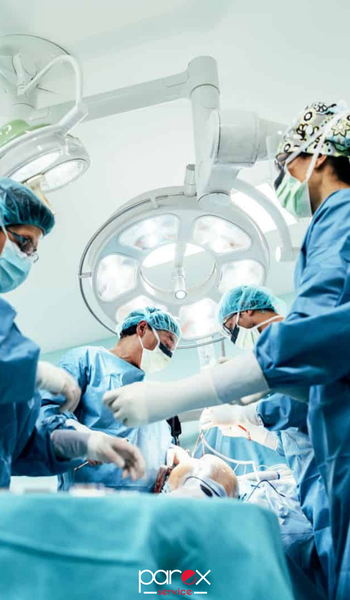
Doctors and specialists in the Italian operating room
The Italian healthcare system, utilizing advanced technologies and global standard protocols, provides a professional environment for the work of surgeons and operating room specialists.
Job opportunities for doctors
- Specialists in general surgery, orthopedics, cardiology, neurosurgery, and gynecology are in highest demand.
- Possibility to work in public hospitals (SSN), private clinics, and specialized surgical centers.
Entry conditions
- Medical degree and specialization equivalency in the Italian Ministry of Health (Riconoscimento dei titoli)
- Italian language test at least at level B2
- Participation in adaptation courses or professional evaluation if required
Job benefits
- Base income from 4,000 to 8,000 euros per month (depending on specialty and workplace)
- Formal contracts, full insurance, possibility of obtaining work and permanent residency
- Opportunity to participate in modern surgeries with robotic technology and multidisciplinary teams
Competitive advantage
Immigrant doctors with clinical experience and language skills, especially in areas with a shortage of specialized personnel (southern Italy and smaller cities), have a higher chance of being recruited quickly.
Residence in Italy for the applicant's spouse and children (accompanying visa)
The visa and residence permit for the spouse and children under 17 of physicians are issued simultaneously with their own residence permit, and the entire family immigrates together. Parents over 65 years of age of physicians can obtain Italian residence under certain conditions. This residence is of the family reunification type and is not issued simultaneously with the main applicant's permit, but the application process for the family's residence begins after the issuance of the main applicant's first residence card. Here we explain the important points of the family reunification visa.
- Timeframe: Approximately 6 to 12 months from the day of application to receiving the residence visa and traveling to Italy for the applicant.
- Main applicant conditions: The applicant must have obtained a residence card, a residency permit, or an Italian national ID card – must have housing with a formal contract of adequate size and living standards for all family members – must have sufficient income to support their family.
- Residence for the applicant's parents: At least 65 years old – must not have another child in your country– must be financially supported by their child.
Employment status for family members (spouse and children)
- Spouse's residence: After arrival, can obtain permission for self-employment – The spouse does not need to have a specific job offer and can work in any job in Italy.
- Children's residence: Residence permit and free education in Italian schools – Access to free healthcare services – Possibility of obtaining citizenship in the future.

Important information and explanations regarding Italian residency and passport
Permanent residence
Work immigration to Italy is one of the most reliable paths to obtaining permanent residence and eventually Italian citizenship. After 5 years of temporary residence in Italy, you can obtain permanent residence in this country. The conditions for obtaining permanent residence include: having an A2 Italian language certificate, residing in Italy, and having a minimum declared income in Italy for 3 consecutive years to cover living expenses.
Italian passport
The validity of the Italian passport ranks second in the world, even higher than the UK, Canada, and the USA. Usually, after 10 years of living and residing in Italy, you can apply for it. The conditions for obtaining an Italian passport and citizenship include: having a B1 Italian language certificate, residing in Italy, having no criminal record in Italy and Iran, and having a minimum declared income in Italy for 3 consecutive years to cover living expenses.
PAREX services for obtaining Italian residency for healthcare personnel
- Providing an official job offer from an Italian hospital or medical center
- Equivalency of your qualifications at the Italian Ministry of Health
- Registering you with the Italian Order of Surgeons and Dentists
- Continuous Italian language training for you and your family by PAREX
- Assistance with preparing, translating, and legalizing all your documents
- The process of obtaining permanent residence and Italian citizenship for PAREX clients
- Enrolling children in Italian nurseries and schools
- Consultation and support for renting or purchasing a car, home, and workplace